
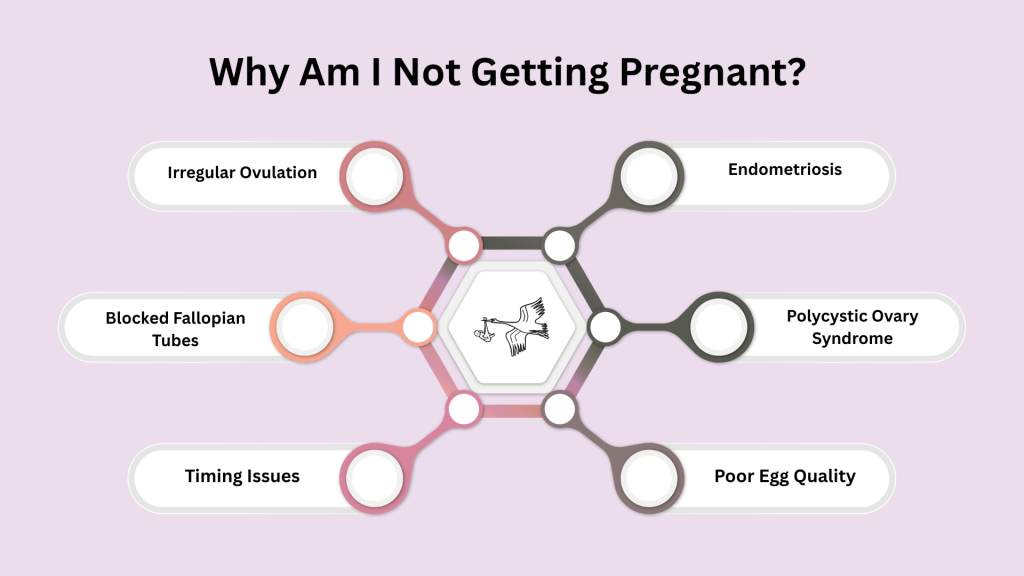
Trying to conceive can be an emotional and sometimes frustrating journey, especially when pregnancy doesn’t happen as quickly as expected. Many couples assume that getting pregnant is simple, but in reality, fertility depends on multiple biological, hormonal, and lifestyle factors. If you’ve been asking yourself, “Why am I not getting pregnant? You’re not alone. Millions of couples worldwide face similar challenges, and understanding the root causes is the first step toward finding a solution. Below are 10 common fertility issues explained in detail to help you understand what might be affecting your chances of conception.
Irregular Ovulation: The Foundation of Fertility Challenges
One of the most common reasons for difficulty in conceiving is irregular ovulation. Ovulation is the process where the ovary releases an egg, and if this process doesn’t occur regularly, the chances of pregnancy significantly decrease. Women with irregular menstrual cycles may not ovulate consistently, making it harder to predict fertile days. Hormonal imbalances, stress, excessive weight changes, or underlying medical conditions can disrupt ovulation. Without a properly timed release of an egg, even regular intercourse may not result in pregnancy. Tracking ovulation through methods like basal body temperature, ovulation predictor kits, or cycle monitoring can help identify whether this is the issue.
Polycystic Ovary Syndrome (PCOS): A Leading Cause of Infertility
Polycystic Ovary Syndrome (PCOS) is a hormonal disorder that affects many women of reproductive age. It causes irregular periods, excess androgen (male hormone) levels, and the formation of small cysts in the ovaries. These factors interfere with the normal ovulation process. Women with PCOS may experience symptoms like acne, weight gain, and excessive hair growth. The condition disrupts hormonal balance, preventing the ovaries from releasing eggs regularly. While PCOS can make conception challenging, it is manageable with the right treatment, lifestyle changes, and medical guidance.
Blocked Fallopian Tubes: Preventing Fertilization
The fallopian tubes play a critical role in pregnancy, as they carry the egg from the ovary to the uterus and are the site where fertilization typically occurs. If these tubes are blocked or damaged, sperm cannot reach the egg, making natural conception difficult. Blockages may result from infections, pelvic inflammatory disease, endometriosis, or previous surgeries. Often, women may not even realize their tubes are blocked until they undergo fertility issues testing. Medical procedures or assisted reproductive techniques can help overcome this issue.
Endometriosis: A Silent Fertility Barrier
Endometriosis occurs when tissue similar to the lining of the uterus grows outside the uterus, often affecting the ovaries, fallopian tubes, and pelvic lining. This condition can cause inflammation, pain, and scarring, which may interfere with egg release, fertilization, or implantation. Many women with endometriosis experience severe menstrual pain, but some may have no obvious symptoms. The condition can impact fertility issues by altering the reproductive environment and reducing egg quality. Early diagnosis and treatment can significantly improve the chances of conception.
Poor Egg Quality: The Impact of Age and Health
Egg quality is just as important as egg quantity when it comes to fertility issues. As a woman ages, especially after 30–35 years, the quality of her eggs naturally declines. Poor egg quality can lead to difficulties in fertilization or increase the risk of miscarriage. Factors like smoking, poor diet, stress, and environmental toxins can also affect egg health. Even if ovulation is regular, compromised egg quality may prevent successful conception. Maintaining a healthy lifestyle and seeking medical advice can help address this concern.
Low Sperm Count or Male Factor Infertility
Fertility issues is not just a female concern—male factors contribute to nearly 40–50% of infertility cases. Low sperm count, poor sperm motility (movement), or abnormal sperm shape can all reduce the chances of fertilization. Lifestyle factors such as smoking, alcohol consumption, stress, obesity, and exposure to heat or toxins can negatively impact sperm health. A simple semen analysis can help identify male fertility issues, and treatments are available depending on the cause.
Hormonal Imbalances: Disrupting the Reproductive System
Hormones play a crucial role in regulating the reproductive cycle. Imbalances in hormones such as estrogen, progesterone, thyroid hormones, or prolactin can disrupt ovulation and implantation. Conditions like thyroid disorders or elevated prolactin levels can interfere with the menstrual cycle and reduce fertility. Even minor hormonal disruptions can have a significant impact, which is why hormonal testing is often one of the first steps in fertility evaluation.
Unhealthy Lifestyle Choices: Hidden Fertility Disruptors
Modern lifestyles often contribute silently to fertility issues. Poor diet, lack of exercise, smoking, excessive alcohol consumption, and high stress levels can all affect reproductive health in both men and women. Being underweight or overweight can also disrupt hormonal balance and ovulation. Chronic stress, in particular, affects the body’s hormonal signals, making conception more difficult. Adopting a balanced lifestyle with proper nutrition, regular exercise, and stress management can greatly improve fertility issues.
Timing Issues: Missing the Fertile Window
Sometimes, the issue isn’t medical but simply timing. Pregnancy can only occur during a short fertile window each month—typically 4–5 days before ovulation and the day of ovulation itself. Many couples may not be aware of this window or may mistime intercourse. Without proper tracking, even healthy couples may struggle to conceive. Understanding your cycle and identifying ovulation days can significantly increase the chances of pregnancy.
Unexplained Infertility: When No Clear Cause is Found
In some cases, all tests come back normal, yet pregnancy still doesn’t occur. This is known as unexplained infertility. It can be one of the most frustrating situations because there is no clear diagnosis or cause. However, unexplained male infertility doesn’t mean there’s no hope. It often indicates subtle issues that current tests may not detect. Many couples with unexplained infertility eventually conceive with the help of treatments such as ovulation induction or assisted reproductive techniques.
Conclusion: Understanding Is the First Step Toward Parenthood
Not getting pregnant can feel overwhelming, but it’s important to remember that fertility issues are common and often treatable. The key lies in identifying the underlying cause and seeking timely medical guidance. Whether it’s a hormonal imbalance, lifestyle factor, or medical condition, most fertility issues have solutions ranging from simple lifestyle changes to advanced treatments. Patience, awareness, and the right support can make a significant difference in your journey toward parenthood. If you’ve been trying to conceive for over a year (or six months if over 35), consulting a fertility issues specialist is a proactive and empowering step.
Frequently Asked Questions (FAQs)
1. How long should I try before seeing a doctor?
You should consult a doctor after 12 months of trying, or 6 months if you are over 35.
2. Can stress really affect fertility?
Yes, high stress levels can disrupt hormonal balance and ovulation.
3. Is infertility only a female problem?
No, male factors contribute to nearly half of all infertility cases.
4. Can irregular periods affect pregnancy chances?
Yes, irregular periods often indicate irregular ovulation, making conception harder.
5. Does age impact fertility significantly?
Yes, fertility declines with age, especially after 35 in women.
6. Can lifestyle changes improve fertility?
Absolutely, healthy eating, exercise, and avoiding smoking/alcohol can improve fertility.
7. What is the fertile window?
It is the 4–5 days before ovulation and the day of ovulation.