
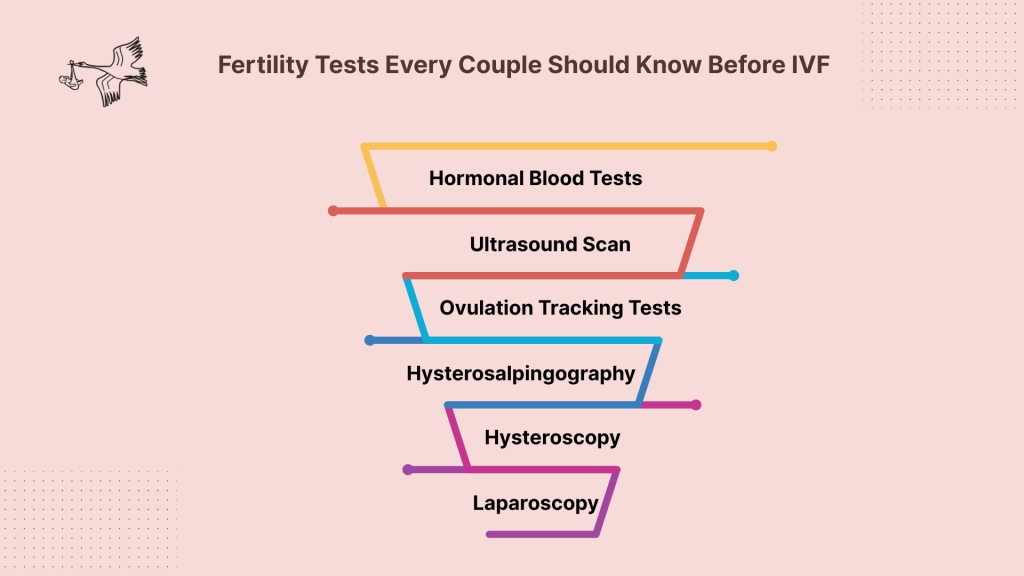
When a couple decides to take the step toward IVF (in vitro fertilization), it often comes after months or even years of trying to conceive naturally. While IVF is a powerful and advanced fertility treatment, jumping straight into it without proper evaluation can lead to unnecessary stress, cost, and even failed cycles. This is why fertility testing plays a crucial role before beginning any assisted reproductive procedure. These tests help identify the root cause of infertility, guide treatment decisions, and improve the chances of success. Understanding these essential fertility tests empowers couples to make informed choices and approach IVF with clarity and confidence.
Why Fertility Testing Before IVF is Important
Fertility is a complex process involving multiple systems in both male and female bodies. A small imbalance or underlying issue can affect the ability to conceive. Fertility testing helps doctors identify whether the issue lies in ovulation, sperm quality, fallopian tubes, hormonal imbalances, or other reproductive health concerns. By diagnosing the exact problem, doctors can customize IVF protocols or sometimes even suggest alternative treatments that may work without IVF. This step saves time, reduces emotional strain, and ensures a more targeted and effective treatment plan.
Female Fertility Tests
Hormonal Blood Tests
Hormonal balance plays a key role in ovulation and overall reproductive health. Blood tests are conducted to measure levels of hormones like FSH (Follicle-Stimulating Hormone), LH (Luteinizing Hormone), AMH (Anti-Müllerian Hormone), estrogen, and progesterone. These hormones indicate ovarian reserve, egg quality, and ovulation patterns. For example, AMH levels give a clear picture of how many eggs are left in the ovaries, which is especially important before IVF. These tests are usually done on specific days of the menstrual cycle to ensure accuracy.
Ultrasound Scan (Pelvic Ultrasound)
A pelvic ultrasound provides a visual assessment of the uterus and ovaries. It helps detect conditions like ovarian cysts, fibroids, polyps, or structural abnormalities that may interfere with implantation or pregnancy. Additionally, an antral follicle count (AFC) is performed through ultrasound to estimate the number of developing follicles, which indicates ovarian reserve. This test is painless and gives valuable insight into reproductive health.
Ovulation Tracking Tests
Regular ovulation is essential for natural conception and also important to plan IVF cycles effectively. Ovulation tracking can be done through blood tests, ultrasound monitoring, or ovulation predictor kits. These tests confirm whether ovulation is occurring and whether the timing is optimal. If irregular ovulation is detected, medications or hormonal treatments may be required before proceeding with IVF.
Hysterosalpingography (HSG)
HSG is a specialized X-ray test used to check whether the fallopian tubes are open and the uterine cavity is normal. A contrast dye is injected into the uterus, and images are taken to observe its flow through the fallopian tubes. Blocked tubes can prevent natural conception and may influence the IVF approach. This test also helps detect uterine abnormalities that could affect embryo implantation.
Hysteroscopy
Hysteroscopy is a minimally invasive procedure where a thin camera is inserted into the uterus to examine its inner lining. It allows doctors to directly visualize and treat issues such as polyps, fibroids, adhesions, or uterine septum. Addressing these problems before IVF can significantly improve implantation rates and pregnancy success.
Laparoscopy
In some cases, a laparoscopy may be recommended to get a detailed view of the reproductive organs. This surgical procedure helps diagnose conditions like endometriosis, pelvic adhesions, or tubal damage that may not be visible on other tests. Treating these conditions beforehand can enhance IVF outcomes.
Male Fertility Tests
Semen Analysis
Semen analysis is the most important test for evaluating male fertility. It examines sperm count, motility (movement), morphology (shape), and overall semen quality. Even if the female partner has no fertility issues, poor sperm quality can impact conception and IVF success. Based on the results, doctors may recommend lifestyle changes, medications, or advanced techniques like ICSI (Intracytoplasmic Sperm Injection).
Hormonal Testing for Men
Just like women, men also require hormonal balance for proper sperm production. Blood tests may be conducted to check testosterone, FSH, and LH levels. Abnormal hormone levels can indicate issues with sperm production and may require medical treatment before proceeding with IVF.
Genetic Testing
In cases of severe male infertility, genetic testing may be advised. This helps identify chromosomal abnormalities or genetic conditions that could affect fertility or be passed on to the baby. Understanding these risks allows couples to explore options like genetic screening of embryos during IVF.
Common Tests for Both Partners
Infectious Disease Screening
Before IVF, both partners are screened for infections such as HIV, hepatitis B, hepatitis C, and syphilis. This ensures safety during the procedure and prevents transmission to the baby. Early detection also allows for proper medical management.
Blood Group and Rh Factor Testing
Blood group compatibility and Rh factor testing are important to avoid complications during pregnancy. If there is an Rh incompatibility, preventive measures can be taken to ensure a healthy pregnancy.
Genetic Carrier Screening
Carrier screening identifies whether either partner carries genes for inherited disorders like thalassemia or cystic fibrosis. If both partners are carriers of the same condition, there is a higher risk of passing it to the child. In such cases, advanced IVF techniques like preimplantation genetic testing (PGT) can help select healthy embryos.
Advanced Fertility Testing (When Needed)
Endometrial Receptivity Analysis (ERA)
ERA is a specialized test that determines the best time for embryo transfer by analyzing the receptivity of the uterine lining. Even with healthy embryos, implantation may fail if timing is not ideal. This test helps optimize the IVF cycle for better success rates.
DNA Fragmentation Test
This test evaluates the integrity of sperm DNA. Even if sperm count and motility appear normal, DNA damage can affect fertilization and embryo development. Identifying this issue allows doctors to modify treatment strategies.
Thyroid Function Tests
Thyroid hormones play a crucial role in fertility and pregnancy. Both hypothyroidism and hyperthyroidism can affect ovulation and increase the risk of miscarriage. Ensuring normal thyroid levels is essential before starting IVF.
How These Tests Improve IVF Success
Each fertility test contributes a piece of the puzzle. Together, they provide a complete picture of reproductive health. By identifying underlying issues, doctors can personalize IVF treatment, choose the right medications, adjust hormone doses, and decide the best fertilization technique. This targeted approach not only increases success rates but also reduces the chances of repeated IVF failures.
Emotional and Practical Benefits of Testing
Beyond medical benefits, fertility testing also offers emotional clarity. Couples often feel anxious and uncertain before IVF. Knowing the exact cause of infertility helps reduce confusion and builds confidence in the treatment plan. It also prepares couples mentally and financially, making the IVF journey more structured and less overwhelming.
Conclusion
Fertility testing is not just a preliminary step—it is the foundation of a successful IVF journey. By understanding the underlying causes of infertility, couples and doctors can work together to create a personalized and effective treatment plan. Skipping these tests may lead to unnecessary complications, while thorough evaluation significantly improves the chances of success. If you are considering IVF, taking the time to complete these essential fertility tests can make all the difference in achieving a healthy and successful pregnancy.
FAQs
1. Are all these tests necessary before IVF?
Not every couple needs all tests. Doctors recommend tests based on medical history, age, and previous fertility issues.
2. How long do fertility tests take?
Most basic tests can be completed within one menstrual cycle, while advanced tests may take longer depending on the condition.
3. Is fertility testing painful?
Most tests like blood tests and ultrasounds are painless. Some procedures like HSG or laparoscopy may cause mild discomfort but are manageable.
4. Can fertility tests replace IVF?
In some cases, fertility tests identify issues that can be treated without IVF, allowing couples to conceive naturally or with simpler treatments.
5. What is the most important test before IVF?
There is no single most important test. A combination of tests provides a complete understanding of fertility health.
6. Do men also need fertility testing?
Yes, male fertility plays an equally important role. Semen analysis is essential before starting IVF.